Restaurant Startup
How to Open a Coffee Shop: A Practical Checklist for First-Time Owners
A practical, step-by-step guide to opening a coffee shop in the U.S., from concept and location to equipment, packaging, launch planning, and local marketing.
Opening a coffee shop can look simple from the outside: find a good location, buy an espresso machine, hire a few baristas, and start serving lattes. In reality, a successful cafe is built through dozens of small decisions that all have to work together. Your menu affects your equipment. Your location affects your staffing. Your packaging affects your brand, your takeout experience, and even how often customers remember you after they leave.
This guide walks through the major steps of opening a coffee shop in the U.S., with a practical focus on what first-time owners need to plan before signing a lease or ordering supplies.
1. Define the Type of Coffee Shop You Want to Open
Before you look at spaces or price out equipment, get clear on your concept. A neighborhood espresso bar, a grab-and-go commuter cafe, a bakery-cafe, and a specialty coffee shop all need different layouts, menus, and budgets.
Start by answering a few basic questions:
- Will customers sit down, or will most orders be to-go?
- Will you serve food, pastries, breakfast sandwiches, or only drinks?
- Are you building a premium specialty coffee brand or a fast daily stop?
- Will you depend on walk-in traffic, online ordering, delivery, catering, or events?
- What will make your cafe feel different from the nearby options?
The clearer your concept is, the easier every later decision becomes. A high-volume commuter cafe needs speed, durable packaging, simple ordering, and strong signage. A community-focused cafe may need more seating, warmer interior design, and a menu that encourages longer visits.
2. Build a Realistic Startup Budget
Coffee shops can vary widely in startup cost depending on location, buildout, size, equipment, and lease terms. Your budget should separate one-time startup costs from monthly operating costs.
Common startup costs include:
- Lease deposit and first month’s rent
- Buildout, plumbing, electrical, and ventilation work
- Espresso machine, grinders, brewers, refrigerators, ice machine, and smallwares
- Furniture, lighting, menu boards, and signage
- Initial inventory of coffee, milk, syrups, food, and paper goods
- POS system, payment processing, and online ordering tools
- Licenses, permits, insurance, and professional services
- Branding, website, photography, and launch marketing
Do not forget the less glamorous supplies. Cups, lids, sleeves, napkins, food paper, pastry bags, labels, and takeout containers are part of the customer experience from day one. If your opening week is busy, running out of the right cup size or lid can create service problems fast.
3. Choose a Location Based on Real Customer Behavior
Location is one of the biggest decisions in a coffee shop business. The best space is not always the prettiest or the cheapest. It is the one that fits your customer flow.
Look for signals such as:
- Morning foot traffic
- Nearby offices, schools, gyms, apartments, hotels, or transit stops
- Parking and pickup convenience
- Visibility from the street
- Local competition and pricing
- Outdoor seating potential
- Lease terms and improvement allowance
- Space for bar flow, storage, restrooms, and back-of-house operations
Commercial real estate platforms such as LoopNet can help you understand available retail spaces in your target area. It is also worth speaking with local brokers who understand restaurant and cafe requirements, because coffee shops often need specific plumbing, electrical, and health department considerations.
Before signing a lease, ask whether the space has previously been used for food service. A second-generation restaurant or cafe space can sometimes reduce buildout time and cost, though it still needs careful inspection.
4. Research Licenses, Permits, and Local Requirements
Requirements vary by city, county, and state, so start early. You may need a business license, food service permit, sales tax registration, signage permit, health department approval, fire inspection, and certificate of occupancy.
If you are serving prepared food, dairy-based drinks, or baked goods made on-site, your local health department will likely have specific rules for sinks, refrigeration, surfaces, storage, and employee food safety training.
Good places to begin your research include:
- Your city or county business office
- Your local health department
- Your state tax authority
- The U.S. Small Business Administration
- SCORE mentors or local small business development centers
Permits can take longer than expected, so build this into your opening timeline. A delayed inspection can push back a launch even when the space looks ready.
5. Design the Menu Around Speed and Profitability
A coffee shop menu should be appealing, but it also needs to be operationally manageable. Too many drinks, sizes, modifiers, and food options can slow down service and increase waste.
Start with a tight menu:
- Espresso, americano, latte, cappuccino, cold brew, drip coffee, and tea
- A few flavored drinks or seasonal specials
- Pastries or simple breakfast items if your concept supports food
- Two or three cup sizes that are easy for staff and customers to understand
Once the shop is open, use sales data to refine the menu. Your best-selling drinks and highest-margin items should guide future promotions and inventory decisions.
6. Order Equipment and Supplies Early
Equipment lead times can surprise new owners. Espresso machines, custom counters, refrigeration, and signage may take weeks or months depending on the supplier.
Your core equipment list may include:
- Commercial espresso machine
- Espresso grinders
- Batch brewer
- Water filtration system
- Refrigeration
- Ice machine
- Blender, if serving blended drinks
- Dishwasher or warewashing setup
- POS terminal and receipt printer
- Scales, tampers, pitchers, knock boxes, thermometers, and cleaning tools
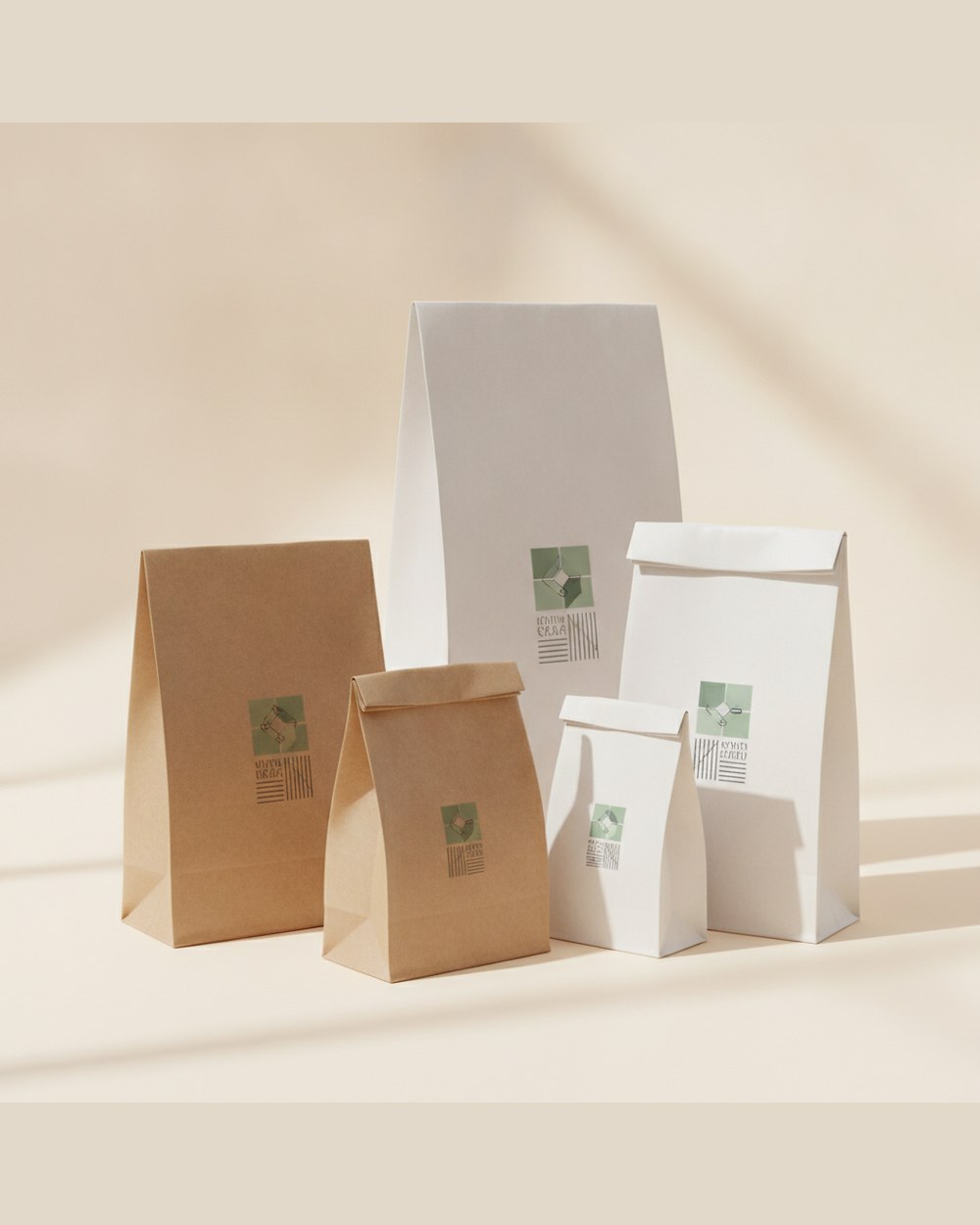
Alongside equipment, plan your opening supply list. For many cafes, this includes custom cups, cold cups, lids, sleeves, napkins, stirrers, straws, food paper, pastry bags, stickers, labels, and takeout bags.
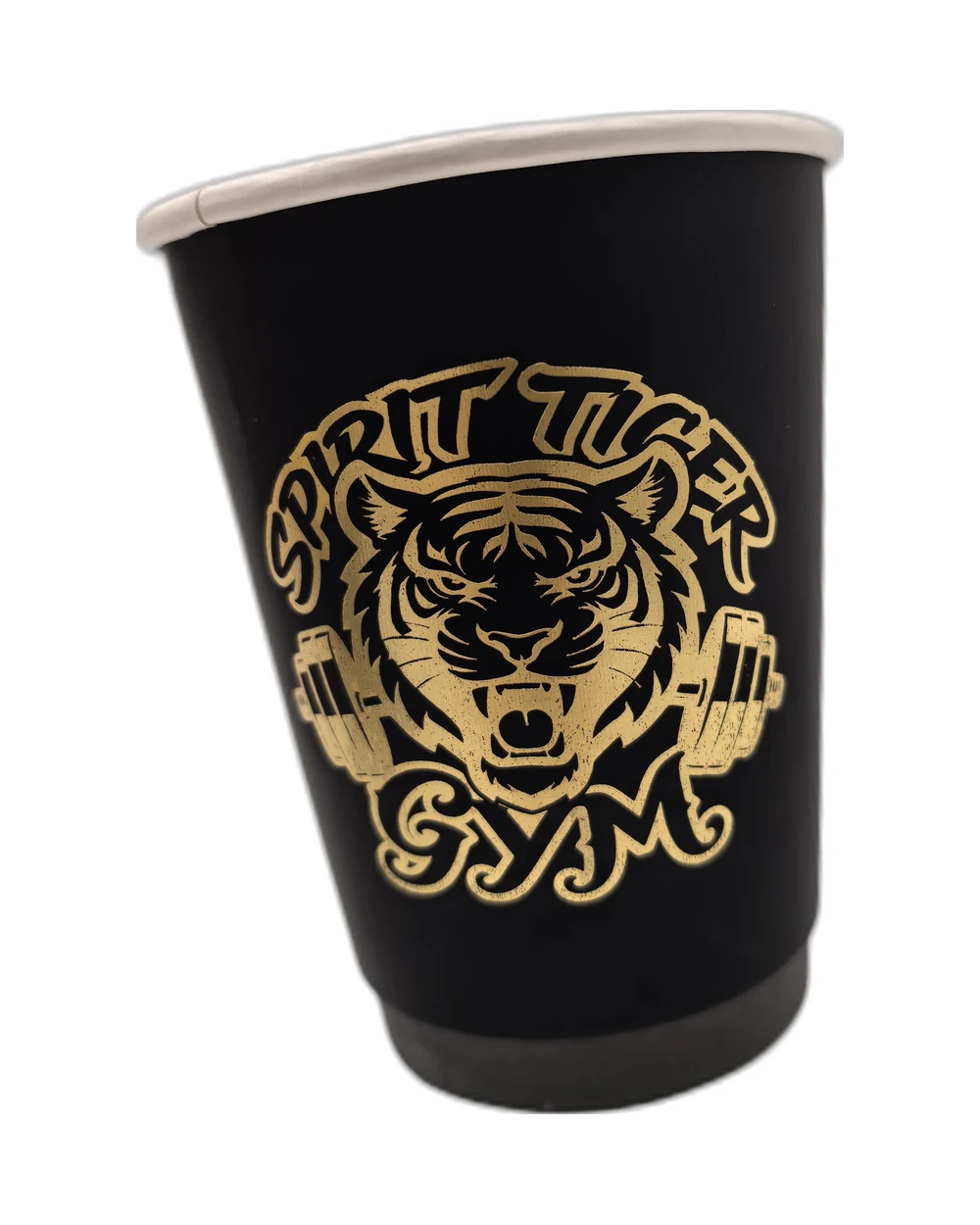
This is where packaging becomes more than a supply line. A plain cup can carry coffee. A branded cup can carry your shop name into offices, cars, sidewalks, and social posts. If you want a more polished opening, consider ordering custom printed coffee cups, napkins, food paper, or takeout packaging before launch.
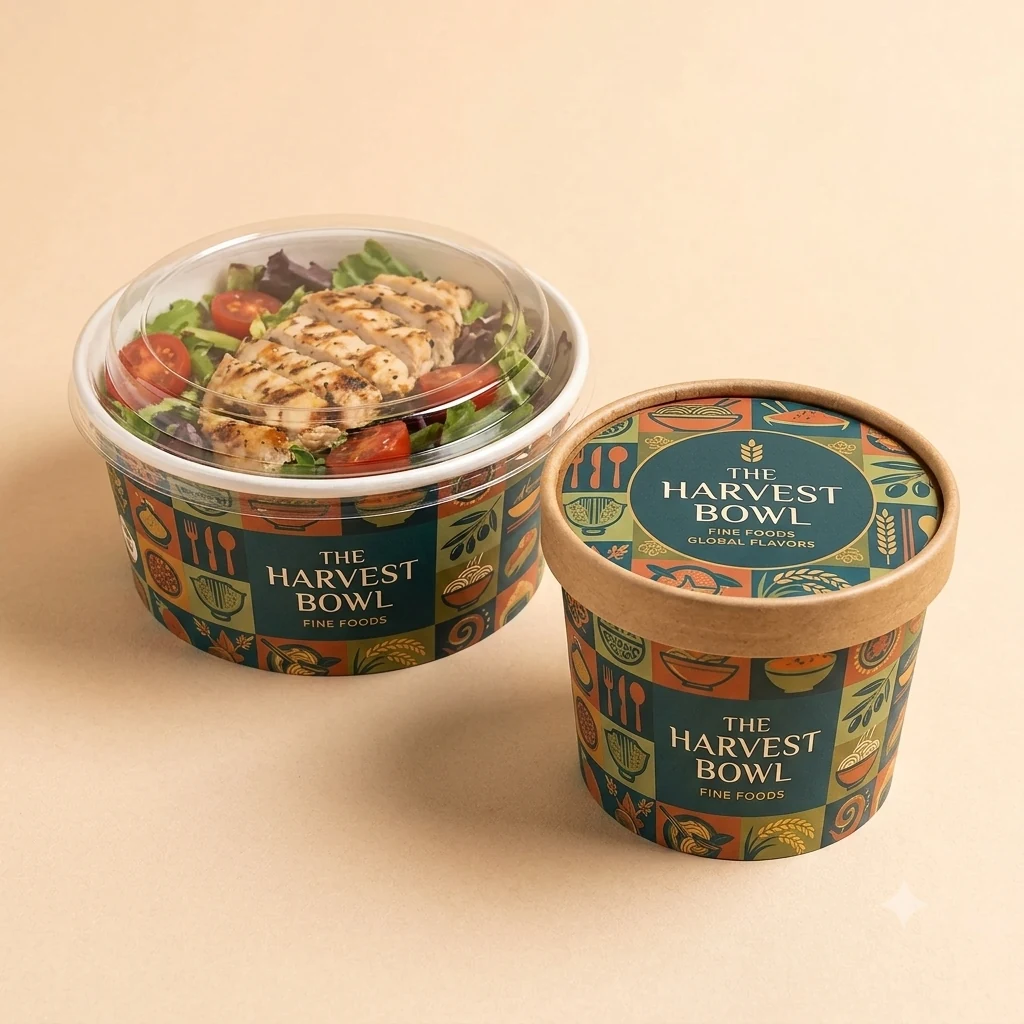
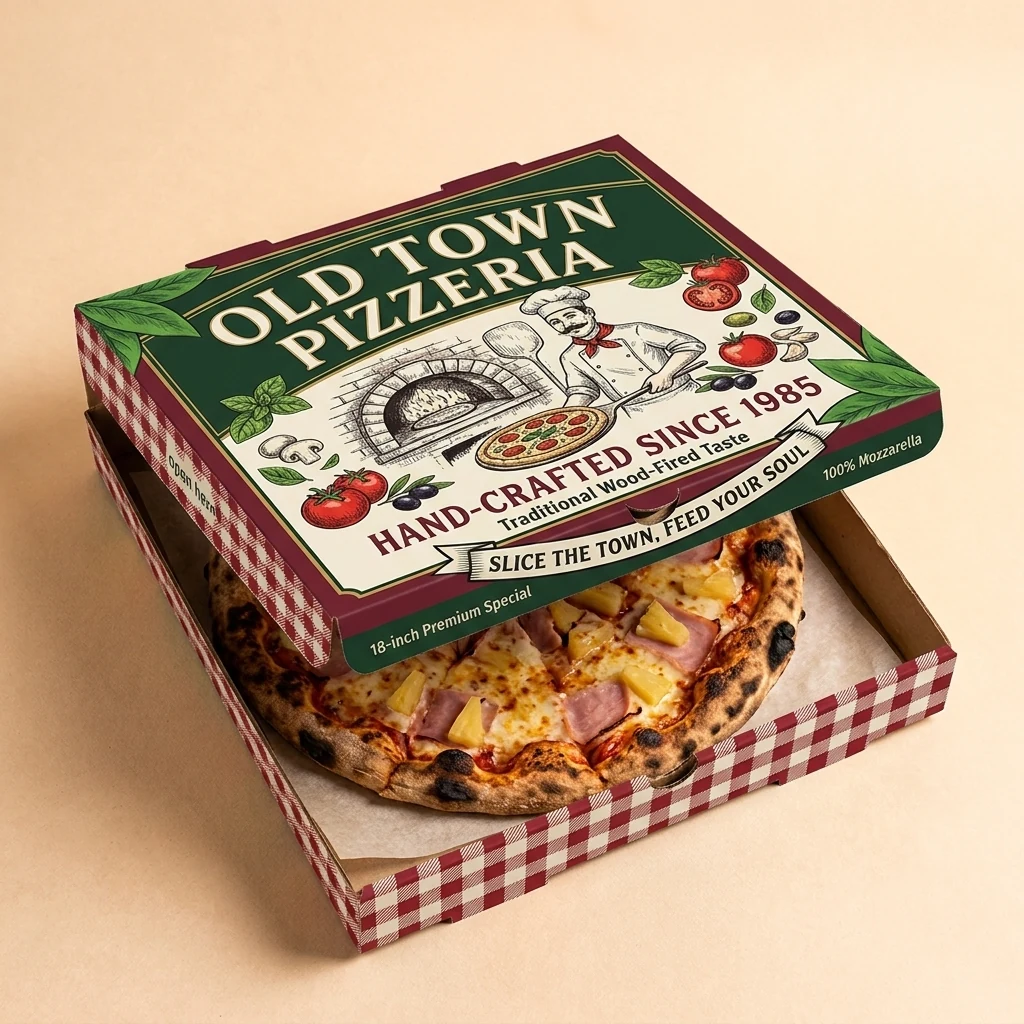
Packur helps restaurants, cafes, pizza shops, burger concepts, and other food businesses source custom disposable packaging such as cups, food paper, napkins, pizza boxes, and takeout containers. For a new coffee shop, this can be a simple way to make the brand feel more established from the first week without building a large in-house design or sourcing process.
7. Set Up POS, Payments, and Online Ordering
Your POS system affects ordering speed, reporting, tips, loyalty, inventory, and customer experience. Popular restaurant POS options include Toast, Square for Restaurants, and other cafe-friendly systems.
When comparing POS systems, look at:
- Hardware cost
- Monthly software fees
- Payment processing rates
- Menu management
- Tip prompts
- Loyalty features
- Online ordering
- Gift cards
- Reporting
- Integration with delivery platforms
Do not choose only on price. A slightly more expensive system that saves staff time and gives better sales reporting can be worth it.
8. Build a Local Marketing Plan Before Opening Day
Many new cafes wait until the doors open to think about marketing. It is better to start several weeks earlier.
Before launch, prepare:
- Google Business Profile
- Yelp Business profile
- Instagram and TikTok accounts
- A simple website or landing page
- Exterior signage and window graphics
- Opening day offer
- Local influencer or community outreach
- Email signup or loyalty program
- Photos of drinks, food, interior, packaging, and staff
Your packaging can support this marketing. Branded cups, napkins, sleeves, and food paper make photos look more recognizable. They also help customers remember the shop name when they take coffee back to work or bring pastries to a meeting.
9. Train the Team Before the First Rush
Opening week is not the time to discover that staff members prepare drinks differently or do not know where supplies are stored.
Train on:
- Drink recipes and portioning
- Register flow and modifiers
- Opening and closing checklists
- Cleaning procedures
- Customer greetings and issue handling
- Restocking cups, lids, napkins, and food packaging
- Mobile and delivery order handling
Create simple station guides for the bar, register, and pickup area. A smooth workflow helps protect service quality during busy periods.
10. Plan for the First 90 Days, Not Just Opening Day
Opening day matters, but the first 90 days tell you much more. Track what customers buy, when traffic peaks, which items create bottlenecks, and which supplies run out fastest.
Useful metrics include:
- Average order value
- Drinks per labor hour
- Best-selling menu items
- Waste by category
- Repeat customer rate
- Packaging usage by cup size or food item
- Online review themes
- Social media mentions
After a few weeks, you may discover that your cold drink volume is higher than expected, your pastry packaging needs improvement, or customers love a drink you nearly left off the menu. Use real sales data to adjust purchasing and operations.
Final Thoughts
Opening a coffee shop is a mix of creative brand building and careful operations. The best cafes do not win only because they serve good coffee. They win because the location, menu, staff, systems, supplies, and customer experience all support the same idea.
If you are planning a new cafe, start with the fundamentals: a clear concept, realistic budget, smart location, proper permits, reliable equipment, and a practical supply plan. Then look for small details that make the business feel memorable. Custom cups, napkins, food paper, and takeout packaging are not just finishing touches. Used well, they help turn every order into a small brand impression.