Packaging Guide
Paper vs Plastic Ice Cream Cups: How to Choose the Right Material
Compare paper and plastic ice cream cups by presentation, moisture resistance, lids, serving style, storage, and disposal before ordering custom cups.
Choosing an ice cream cup is not only a design decision. The material affects how the product looks in the customer’s hand, how the cup handles condensation, which lids fit, how much storage space you need, and what disposal claims you can make.
For most ice cream shops, gelato counters, frozen yogurt stores, and dessert brands, the first choice is between paper and plastic. Neither is the best option for every menu. The right one depends on what you serve and how customers buy it.
This guide compares the two main ice cream packaging materials and gives you a practical checklist for choosing custom cups.
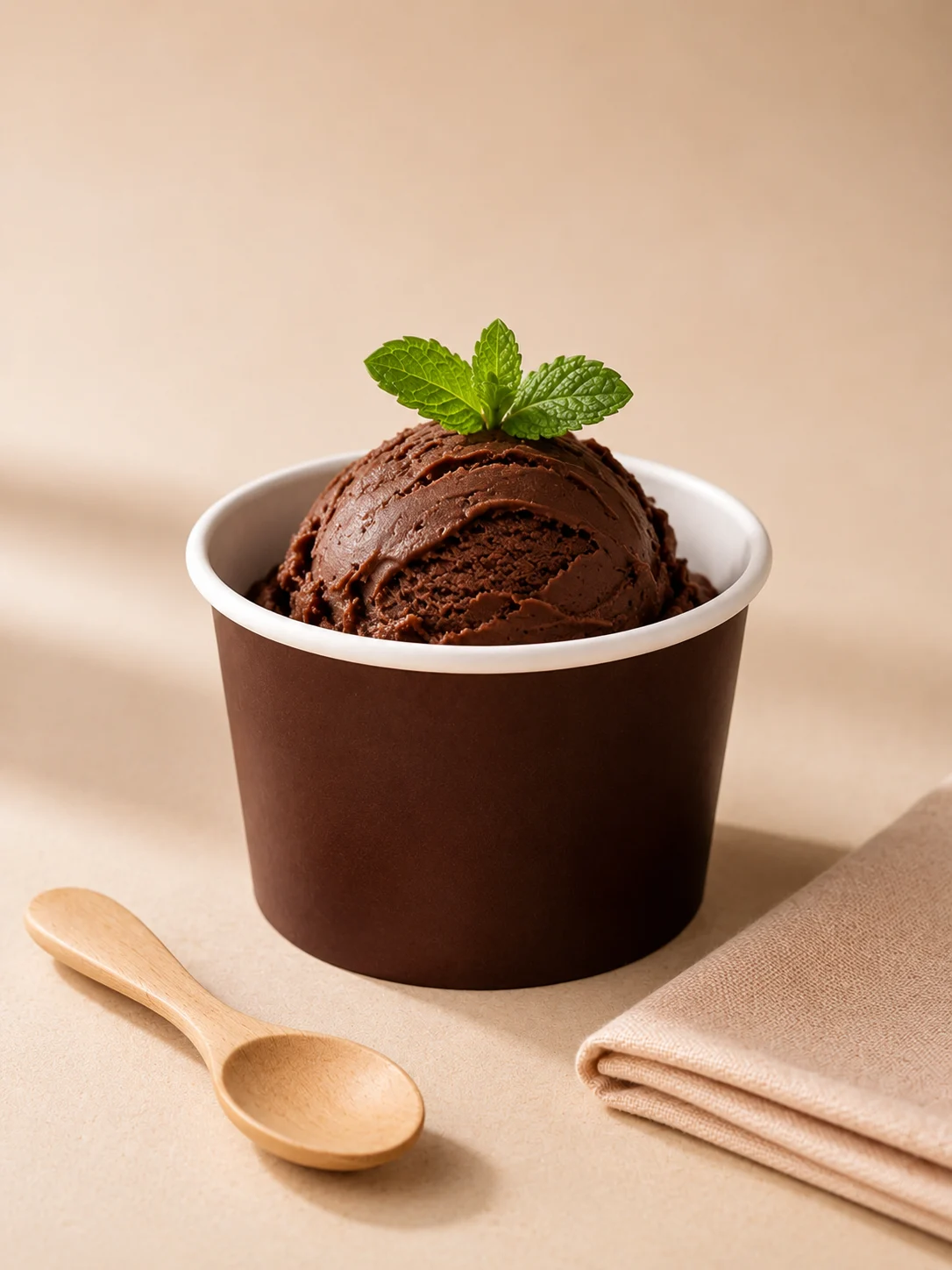
Paper vs plastic ice cream cups at a glance
| Consideration | Paper cups | Plastic cups |
|---|---|---|
| Product visibility | The cup hides the product | A clear cup can show layers, colors, and toppings |
| Branding | Large, opaque print area | Branding may need to share attention with the product |
| Customer experience | Often feels warmer and less slippery in the hand | Can make the dessert itself the main visual feature |
| Moisture | Usually needs a barrier layer to resist moisture | Naturally resistant to moisture, but condensation still affects handling |
| Lids | Paper or plastic lids may be available, depending on the rim | Clear flat or dome lids are common for some formats |
| Disposal | Depends on the paper, barrier, ink, food residue, and local facilities | Depends on the resin, food residue, and local collection facilities |
| Best fit | Branded scoops, gelato, tasting cups, and takeaway desserts | Layered desserts, frozen yogurt, toppings, and products customers want to see |
Treat this table as a starting point. Exact performance depends on the cup specification, not just whether the main material is paper or plastic.
When paper ice cream cups make sense
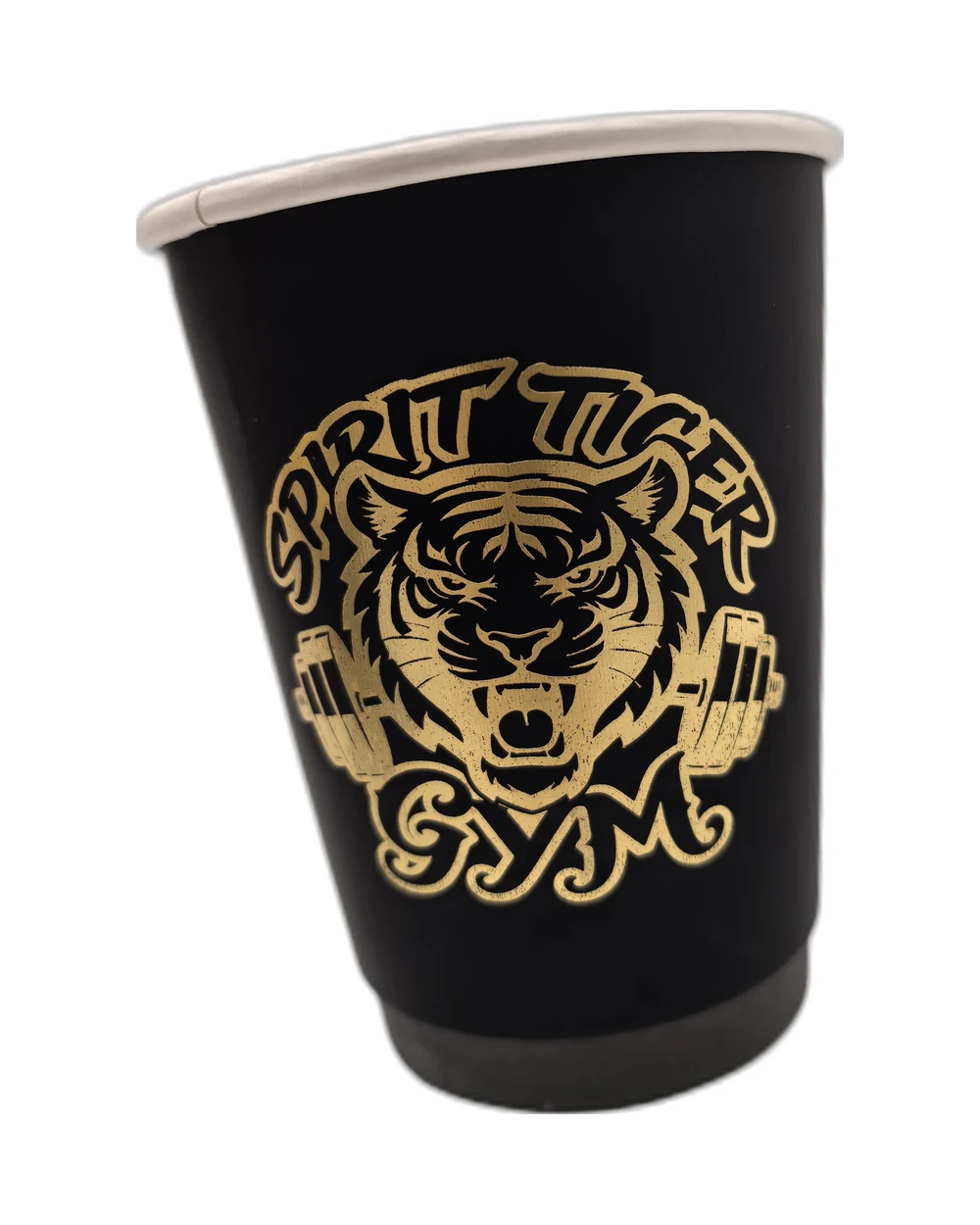
Paper cups are a strong choice when the packaging needs to carry the brand. An opaque surface gives the logo, colors, pattern, and product message a consistent background. The artwork stays visible even when the dessert changes from chocolate gelato to a bright sorbet.
They also suit businesses that want one visual system across several products. A gelato shop can use related artwork on cups, takeaway bags, napkins, and food paper without relying on the color of the food to complete the design.
Paper cups are often a practical fit for:
- Ice cream and gelato sold by the scoop
- Small tasting portions
- Sundaes where most toppings sit above the rim
- Branded dessert service at events
- Shops that want bold, edge-to-edge artwork
Paper alone is not moisture resistant enough for a frozen dessert. The cup normally uses a barrier or coating. That construction matters when you assess leakage, freezer use, recyclability, or compostability. Ask for the exact specification instead of relying on the word “paper.”
When plastic ice cream cups make sense
Plastic cups can make the food part of the display. Clear walls show layers, sauces, fruit, toppings, and color. This is useful for frozen yogurt, parfaits, soft serve, and desserts assembled in front of the customer.
They can also help staff and delivery customers identify orders without opening a lid. That visibility matters when several desserts use similar labels but different toppings.
Plastic cups may be a better fit for:
- Frozen yogurt with visible toppings
- Layered desserts and parfaits
- Colorful soft serve or smoothie bowls
- Grab-and-go display cases
- Menus where product visibility matters more than full-cup artwork
The word “plastic” does not identify one material. Resin type, clarity, temperature limits, recycled content, and local recycling access can all differ. Confirm the exact material before describing a cup as recyclable or suitable for a particular use.
Start with the way you serve the product
The quickest way to narrow the choice is to follow the order from counter to customer.
Ask these questions:
- Is the dessert eaten immediately, delivered, or stored for later?
- Does the customer need to see the layers or toppings?
- Will the cup sit in a freezer or only hold a freshly served product?
- Does the order need a lid, spoon, seal, or tamper-evident feature?
- How long will the filled cup be in transit?
- Will condensation make labels, stacking, or handling difficult?
A cup used for two scoops eaten outside the shop has a different job from a sealed dessert that spends 40 minutes with a delivery rider. Material choice should follow that job.
Check the rim and lid before approving artwork
A cup and lid work as a system. Matching the nominal diameter is not always enough. Rim profile, wall thickness, lid material, and manufacturing tolerance affect fit.
Decide whether you need:
- No lid for immediate counter service
- A flat lid for simple takeaway orders
- A dome lid for toppings above the rim
- Space for a spoon or label
- A stackable format for delivery and display
Test the filled cup in the real service conditions. Check that staff can close it quickly, that the lid stays secure during transport, and that the artwork is not hidden by the customer’s hand or a label.
Choose sizes from your menu, not from a generic chart
Cup names and ounce measurements do not always tell you how a dessert will look. A wide, shallow cup can present the same nominal volume differently from a narrow, tall cup.
Map each menu item to a serving size before ordering:
- Taster or sample
- Single scoop
- Double scoop
- Sundae or topping-heavy dessert
- Family or sharing portion
Then fill sample cups with your actual product. Leave room for toppings and lids, and check portion consistency with the scoops your team uses. This small test can prevent oversized cups, crushed toppings, and inconsistent serving costs.
Compare print area and artwork behavior
Paper and plastic do not present the same artwork in the same way.
On an opaque paper cup, the printed design controls most of what the customer sees. On a clear plastic cup, the food, background, condensation, and lighting become part of the design. Fine lines and low-contrast colors may disappear once the cup is filled.
Before approving a production proof:
- View the design at the cup’s actual size
- Check logo contrast on a filled cup
- Keep important text away from the rim and base
- Test how a hand covers the main branding
- Confirm whether white ink or an opaque base is needed on clear material
- Use the supplier’s current artwork template for the exact size
If you only have a logo, Packur can help turn it into packaging artwork. The first proof is provided within 12 business hours, and proof revisions continue until you approve the production layout.
Be precise about recycling and composting
A material may be technically recyclable without being accepted by the customer’s local collection program. Food residue, coatings, labels, and mixed materials can also affect whether a used cup is processed.
Compostable claims need the same care. A cup designed for an industrial composting facility is not automatically suitable for home composting, and suitable facilities may not exist in every market.
The U.S. Federal Trade Commission’s Green Guides advise businesses to qualify recyclable claims when appropriate facilities are not widely available and to support compostable claims with reliable evidence. Other countries have their own rules.
For a global business, the sensible approach is:
- Confirm the complete material specification, including coatings and lids.
- Keep the supplier’s supporting documents and relevant certifications.
- Check the waste collection rules in the market where the cup will be used.
- Use specific, qualified wording instead of broad terms such as “green” or “eco-friendly.”
Do not choose a cup from an environmental label alone. Choose a format that works operationally, then describe its disposal route accurately.
A buying checklist for ice cream shops
Before placing a custom order, confirm these details:
- Dessert type and serving temperature
- Immediate service, delivery, or freezer storage
- Cup size and usable fill line
- Material and barrier construction
- Lid type and tested fit
- Print method, print area, and color requirements
- Stacking and storage space
- Minimum order quantity for the selected product
- Price at the quantity you need
- Delivery option shown at checkout
- Local rules for recycling, composting, and disposal claims
MOQ, price, available sizes, and delivery choices can vary by product. Use the product configurator and checkout details for the current order instead of assuming one rule applies to every cup.
Frequently asked questions
What is the best material for ice cream cups?
There is no universal best material. Paper is often chosen for a strong branded print area. Clear plastic can be useful when customers need to see layers, colors, or toppings. The best choice also depends on storage, delivery time, lid fit, and local waste facilities.
Are paper ice cream cups waterproof?
Paper ice cream cups normally use a barrier or coating to resist moisture. Performance depends on the complete cup construction. Confirm the specification if the cup will be stored in a freezer or filled well before service.
Should a gelato shop use paper or plastic cups?
Paper often suits scoop service and brand-led presentation. Plastic can suit layered products or topping-heavy desserts where visibility helps. Many shops choose one main format based on their highest-volume orders rather than trying to cover every possible use.
Can custom ice cream cups have lids?
Some cup formats support flat, dome, paper, or plastic lids. Compatibility depends on the exact cup rim. Select and test the cup and lid together.
Are paper or plastic ice cream cups recyclable?
It depends on the exact material, coating, food residue, and local collection program. Ask for the material specification and check the rules where the cups will be discarded. Do not make a broad recycling claim based only on the cup’s main material.
Order from the details that matter
The best ice cream cup is the one that fits your dessert, service routine, artwork, lid, and local disposal system. Start with those requirements, then compare materials.
Explore custom ice cream cups to see current sizes, minimum quantities, and online pricing. The quote shown online is the final price, and the available shipping speeds are shown at checkout. Need help preparing the artwork? Send Packur your logo and the design team can build the packaging design with you.